Sophia Koetsier Wikipedia, Biography, Age, Missing, Updates, Parents, Case, Investigations, Family

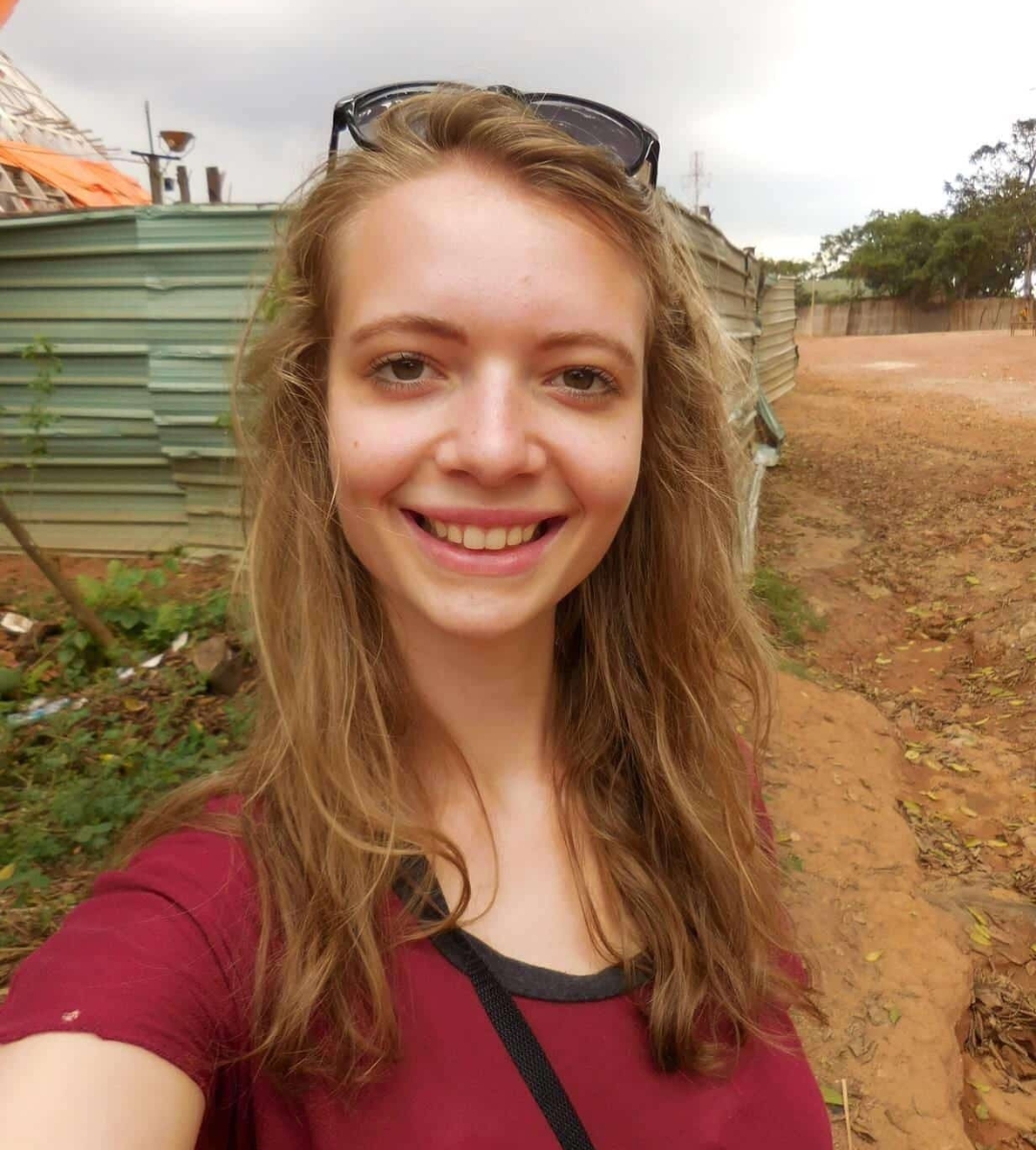
Sophia Koetsier is a Dutch medical student who disappeared under mysterious circumstances in Uganda in 2015. Born in 1993, she was an ambitious and bright young woman who had traveled to Uganda to complete an eight-week medical internship at a hospital in Kampala. After finishing her internship, she embarked on a safari tour through the country with two travel companions and a driver. On October 28, 2015, during a stop at Murchison Falls National Park, Sophia went missing and has not been seen since.
The circumstances surrounding her disappearance remain unclear and have been the subject of extensive investigation and media attention. On the evening she vanished, she was staying at a student center within the park. Evidence found during initial searches included a water bottle and a trail of personal items leading toward the Nile River, which initially led local authorities to theorize that she might have been the victim of a tragic accident or a wildlife attack. However, no physical remains were ever found to support this theory, and her family has consistently raised doubts about the official narrative, suggesting the trail of items may have been staged.
Sophia’s mental health was also a factor in the investigation; she had been diagnosed with bipolar disorder, and there were reports that she was experiencing a manic episode at the time of her disappearance. While local police initially leaned on this to support the accident theory, her family and supporters argue that her condition made her vulnerable but does not explain the lack of physical evidence or other inconsistencies in the case. Her mother, Marije Slijkerman, has campaigned tirelessly for years, traveling to Uganda frequently to keep the investigation alive and challenge the findings of local authorities.
As of late 2025, Sophia Koetsier remains missing. The case has received support from high-profile organizations, including the Peter R. de Vries Foundation, which has offered significant rewards for information leading to her location. Over a decade after the event, her family continues to maintain a website and media presence, hoping for a breakthrough that will finally reveal what happened to her in Murchison Falls.
Quick Facts
Early Life and Background
Growing Up in Amsterdam
Born in 1993 in Amsterdam, Netherlands, Sophia Koetsier grew up as the eldest of three children and the only daughter in her family. She was raised in a supportive and intellectual environment, which fostered her natural curiosity and drive. Friends and family describe her as a lively, energetic, and deeply social young woman who could easily connect with people from all walks of life.
Education and Ambition
From a young age, Sophia demonstrated a keen intellect and a desire to help others. She was athletic, creative, and academically gifted. After completing her secondary education, she was admitted to the prestigious University of Amsterdam to study Medicine. By 2015, at the age of 21, she had successfully obtained her Bachelor’s degree. Rather than immediately rushing into her Master’s program, she decided to take a gap year to gain practical experience and see the world, a decision that would eventually lead her to East Africa.
Medical History
It is important to note, for the sake of a complete biography, that Sophia was diagnosed with bipolar disorder at the age of 16. Her condition was characterized by infrequent manic episodes that could be triggered by stress or overstimulation. However, she was not known to suffer from depression. Her family has been open about this diagnosis, noting that while it made her vulnerable, she was generally well-managed and high-functioning.
The Journey to Uganda
The Medical Internship
In the summer of 2015, Sophia traveled to Kampala, the capital of Uganda, to complete an eight-week internship at the Rubaga Hospital. This was a dream come true for the aspiring doctor. During her time in Kampala, she lived in a student house with other international interns and Ugandan youth. Her weekly updates to her family were filled with enthusiasm; she loved the work, the culture, and the people. She was described by colleagues as dedicated and joyful, fully immersing herself in the local medical environment.
The Fatal Safari
Upon completing her internship in late October, Sophia planned a two-week tour through Uganda before returning home. She set off on this journey with two other Dutch students (travel companions) and a local Ugandan driver who also acted as their tour guide.
The group traveled through various parts of the country, and for the first few days, everything seemed normal. However, as the trip progressed, her companions allegedly noticed a change in Sophia’s behavior. Reports suggest she began showing signs of sleeplessness and hyperactivity—potential indicators of a manic episode triggered by the intense stimuli of the trip.
The Disappearance: October 28, 2015
Arrival at Murchison Falls
On October 28, 2015, the sixth day of their safari, the group arrived at Murchison Falls National Park, one of Uganda’s largest and most famous reserves. The park is bisected by the Victoria Nile and is known for its powerful waterfalls and diverse wildlife, including hippos, crocodiles, and lions.
The group checked into the Student Education Centre (accommodation facilities within the park) around 6:00 PM. This facility is located on the southern bank of the river. The location is relatively remote, surrounded by thick bush and wilderness.
Read Also: Matt Murphy Wikipedia, Biography, Age, Net Worth, Wife, Career, Family
According to the accounts provided by her travel companions and the driver:
-
Evening of Oct 28: Sophia was reportedly behaving strangely. Her companions were concerned enough to contact Sophia’s mother, Marije Slijkerman, who was also in Uganda at the time (though in a different location), to inform her they intended to cut the trip short and bring Sophia back to Kampala the next day.
-
Early Night: Sophia went to the toilet but did not return.
-
The Discovery: When she failed to come back, her companions went to look for her but could not find her. They raised the alarm with the driver and park rangers.
Sophia walked away into the darkness of the African bush and was never seen again.
The Investigation: Evidence and Theories
The search for Sophia Koetsier began almost immediately, but it was plagued by difficulties, strange evidence, and conflicting theories.
The “Trail” of Items
In the days following her disappearance, search teams found a series of items belonging to Sophia. However, the location and condition of these items raised more questions than answers.
-
The Items: A water bottle, a print of a famously abstract painting, and eventually, a pair of panties were found.
-
The Location: These items were found spaced out at intervals leading toward the bank of the Nile River.
-
The Suspicion: Sophia’s family and private investigators have pointed out that the “trail” seemed too linear and convenient. There was no direct, logical path from the Student Centre to the riverbank where the items were found. The vegetation was dense and difficult to traverse, yet the items were placed in a way that suggested a breadcrumb trail.
The Police Theory: Fatal Accident
The Ugandan police, supported initially by some Dutch officials, formed a theory based largely on Sophia’s mental state. They hypothesized that Sophia, in the grip of a manic episode, wandered off, became disoriented, and either:
-
Fell into the Nile and drowned.
-
Was attacked by wild animals (crocodiles or hippos).
They viewed the trail of items as belongings she discarded while in a confused state. Because Murchison Falls is a wildlife park, the “animal attack” theory was a convenient explanation for the lack of a body.
The Family’s Counter-Theory: Foul Play
Sophia’s family vehemently disagrees with the accident theory. Their skepticism is based on several key points:
-
Lack of Remains: Despite extensive searches, including the use of drones and cadaver dogs, not a single shred of physical biological evidence (blood, bone, tissue) was ever found. Experts argue that even in animal attacks, some physical trace usually remains, especially clothing or bone fragments.
-
The “Staged” Trail: The family believes the items were planted to lead investigators toward the river and suggest an accident. The underwear found was reportedly torn in a way that looked deliberate rather than the result of moving through the bush.
-
The Driver’s Role: The driver/guide was unvetted and, as later revealed, unlicensed. His decision-making that night and the route taken have been scrutinized by the family.
Dutch Police Involvement
The Dutch police did send a team to Uganda shortly after the disappearance. They conducted searches using drones in November 2015. However, jurisdictional limits meant they had to rely heavily on the Ugandan authorities, who eventually scaled back the investigation, citing the “missing person” status.
Recent Updates (2020–2025)
The “Find Sophia” Campaign
For ten years, Sophia’s mother, Marije Slijkerman, has waged a tireless campaign to find the truth. She maintains the website FindSophia.org and frequently travels to Uganda to keep the pressure on local authorities. She has appeared in numerous documentaries and interviews, refusing to let the case go cold.
The Peter R. de Vries Foundation
In recent years, the Peter R. de Vries Foundation, an organization dedicated to solving cold cases, took up Sophia’s cause. Recognizing the flaws in the original investigation, they issued a reward of €10,000 (which the family has pledged to increase) for the “decisive tip” that leads to Sophia’s location or the truth about her fate.
2025 Court Case
In a significant development reported in July 2025, a court case was finally opened in Uganda regarding the negligence surrounding the trip. The prosecution brought charges against the driver for operating as a tour guide without a license during the trip in 2015.
10-Year Anniversary
October 2025 marked exactly one decade since Sophia vanished. Media outlets in both the Netherlands and Uganda ran retrospectives on the case. Despite the passage of time, the family maintains that “As long as there is no evidence to the contrary, Sophia may still be alive,” or at the very least, fell victim to a crime that has been covered up.
Conclusion
The disappearance of Sophia Koetsier remains a haunting void in the lives of those who knew her. Was it a tragic accident fueled by a medical crisis, or was it a sinister crime masked by the dangers of the African wild? The evidence—a pristine trail of belongings, a lack of biological remains, and a botched initial investigation—points in contradictory directions.
As of late 2025, Sophia remains missing. Her story serves as a stark reminder of the vulnerabilities travelers face and the enduring power of a mother’s love. The investigation continues, driven not by police, but by a family that refuses to say goodbye without answers.
FAQs
1. When did Sophia Koetsier go missing? Sophia went missing on the evening of October 28, 2015.
2. Where was Sophia last seen? She was last seen at the Student Education Centre in Murchison Falls National Park, Uganda.
3. Was Sophia Koetsier ever found? No, as of late 2025, no physical remains or trace of Sophia have been found since the initial items were discovered.
4. What items were found during the search? Search teams found a water bottle, a print of an abstract painting, and a pair of torn panties leading toward the Nile River.
5. What is the official police theory? Ugandan police officially theorized that Sophia wandered off due to a mental health episode and was either attacked by animals or drowned in the river.
6. Does Sophia’s family believe the police theory? No. Her family believes the evidence (the trail of items) was staged and suspects foul play, noting the complete lack of blood or biological remains.
7. Did Sophia have a medical condition? Yes, she was diagnosed with bipolar disorder at age 16. It is believed she may have been experiencing a manic episode at the time of her disappearance.
8. Is there a reward for information on Sophia Koetsier? Yes, the Peter R. de Vries Foundation has offered a reward of €10,000 for information leading to a resolution of the case.
9. Are there any recent updates on the case? Yes, in July 2025, a court case was opened in Uganda against the driver of the safari for operating without a license.
10. How can I help or provide information? Anyone with information can contact the Peter R. de Vries Foundation or visit FindSophia.org to submit tips anonymously.